

General Dentistry
Helping our patients maintain a healthy mouth and smile is the main goal of general dentistry. We prefer to provide more minor, preventive care than to see patients suffer with more intensive treatments from a problem that was not managed in time. We want to ensure that your oral health is in its optimal state and positively contributing to the health of your entire body. We are here to brighten your smile and pave the way for a brighter life.

Preventative Dentistry
It is important to brush your teeth at least twice daily to help remove plaque and food particles that get stuck to your teeth. It is recommended that you brush your teeth for two minutes (or longer), though most people rush through this time. You need to make sure that you reach every side of each tooth, including the inside and outside. To help keep your breath fresh, you should also brush your tongue. Then, you can begin flossing.
Teeth Whitening
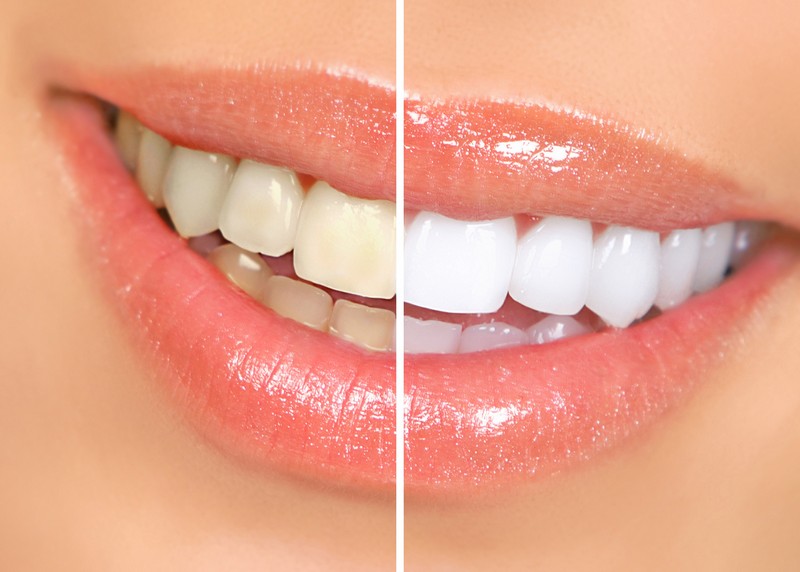
A common request we receive is how to make a smile whiter and brighter. This is a relatively simple and quick treatment option that can be performed periodically. Certain foods and beverages, such as wine and coffee, stain the teeth and contribute to discoloration. The teeth whitening process provides a solution that lightens the shade of the teeth. Additionally, the process actually rids the teeth of plaque and tartar that tend to lead to dental problems.
Fillings
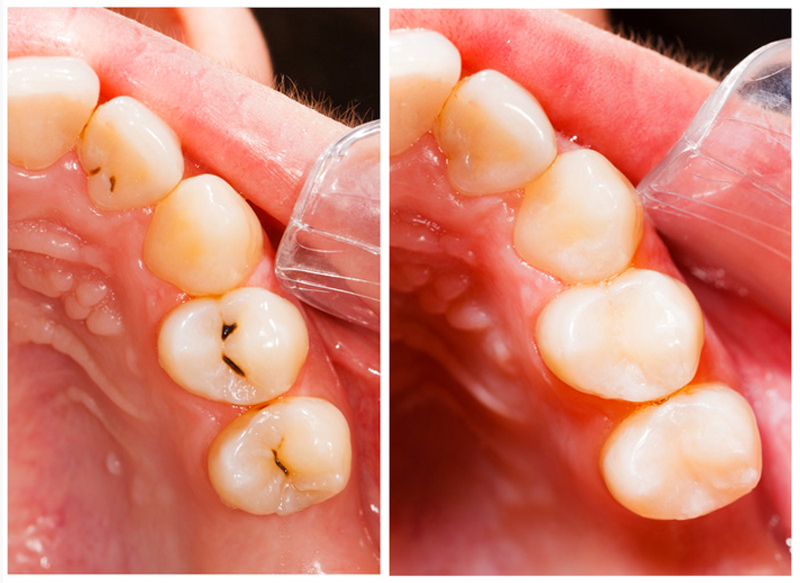
Composite fillings act as a dentistry solution for problems such as tooth decay or cracks. A composite filling is a tooth-colored plastic and glass mixture used to restore decayed teeth. This procedure is also utilized for cosmetic improvements of the smile by fixing any discoloration or reshaping any disfigured teeth.
Root Canals
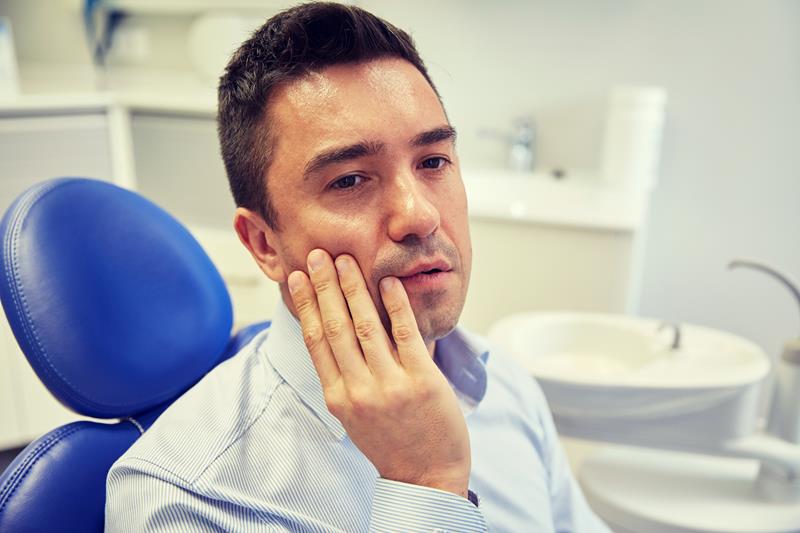
Root canals are needed when decay and bacteria spread for too long without treatment. At a certain point, this decay makes it to the pulp inside the tooth. This pulp includes nerves, therefore infection generally causes a lot of pain. Since this is happening on the inside of the tooth, you won’t necessarily see the damage. Instead, you could feel it through pain and notice other signs that include bleeding, swelling and bad breath.

Extractions
An extraction is performed to remove a tooth, whether because of disease, crowding, or damage. When extractions are required, the area around the tooth will be numbed and your dentist will remove the tooth. A small amount of bleeding is normal, as your mouth will replace the removed tooth root by forming a blood clot in the area.

Wisdom Teeth Extractions
Wisdom teeth are the last set of molars. Most people start to get their wisdom teeth when they are teenagers, though some teeth don’t come in until you are in your early twenties.
Wisdom teeth have a purpose. They are another set of molars, but more often than not they cause more problems than they are worth. Wisdom teeth can come in misaligned, facing any direction. They can even try to come in horizontally, growing into your other teeth. This can damage your nerves and even your jawbone.
Since wisdom teeth are often harmful, most dentists recommend their removal. The surgery goes much better if you get the teeth removed before any signs of problem. The recovery is easier also. Surgery and recovery are also easier when you are younger.

Bone Grafting
Regardless of the cause, when you lose a tooth, you may experience bone loss in your jawbone. The teeth stimulate the jawbone, so if you have lost one or more teeth, your jawbone will start to deteriorate. As time goes by, you may experience enough bone loss that dental implants won’t hold. If this is the case, we may recommend bone grafting.
Bone grafting is a procedure where we replace the missing bone in your jaw. There are three types: autogenous, allograft, and xenograft.
Autogenous grafts use bone from another part of your body, moving it to your mouth. Usually bone is removed from non-essential bones like your chin. By using your own bone, you are reducing the chance that your jawbone will reject it. It even prevents infection. Also, it is made up of active cellular material since it is still living.
Xenografts use bone from another source. The most commonly used source is cow bones.
The benefit of using either allografts or xenografts is that our patients will not have to have a second surgery to harvest their bone. Also, both sources are easily found so we will have plenty of bone for whatever you need.
Before we start, we use local anesthesia to numb the area where your bone will be removed and also in your mouth where the replacement bone is needed. We need to make an incision in your gums so we can see exactly how much bone is needed before we harvest your own bone or get bone from another source.
If we are harvesting bone from your chin, we will make another incision in the gums below your lower front teeth. This exposes the chin and we can remove the bone that we need, along with the marrow. We close this with stitches. After we remove the bone, we will place it where it is needed and screw it into the jawbone with titanium screws.
To help with the healing process, we may use bone marrow and bone-grafting material. We then stitch the incision closed.
After you have received a bone graft, you will need to go home with antibiotics and pain medication. You may need to eat soft food like pasta and JELL-O® while your mouth heals. It can take between six to nine months to completely heal. At that time, we will be able to place your dental implants in.
Don’t hesitate to contact us at (618) 235-9101 with any questions.